WPC PROFILE PRODUCTION LINE
Thickness of wall panel: 15-30mm, for final production size from machine, it is according to clients’ requirement.
Required materials of production WPC wall cladding: PE granules(recycled or new)+wood power+additives.
Top layer (optional): PE granules
For surface design: by embossing or molding shaping.
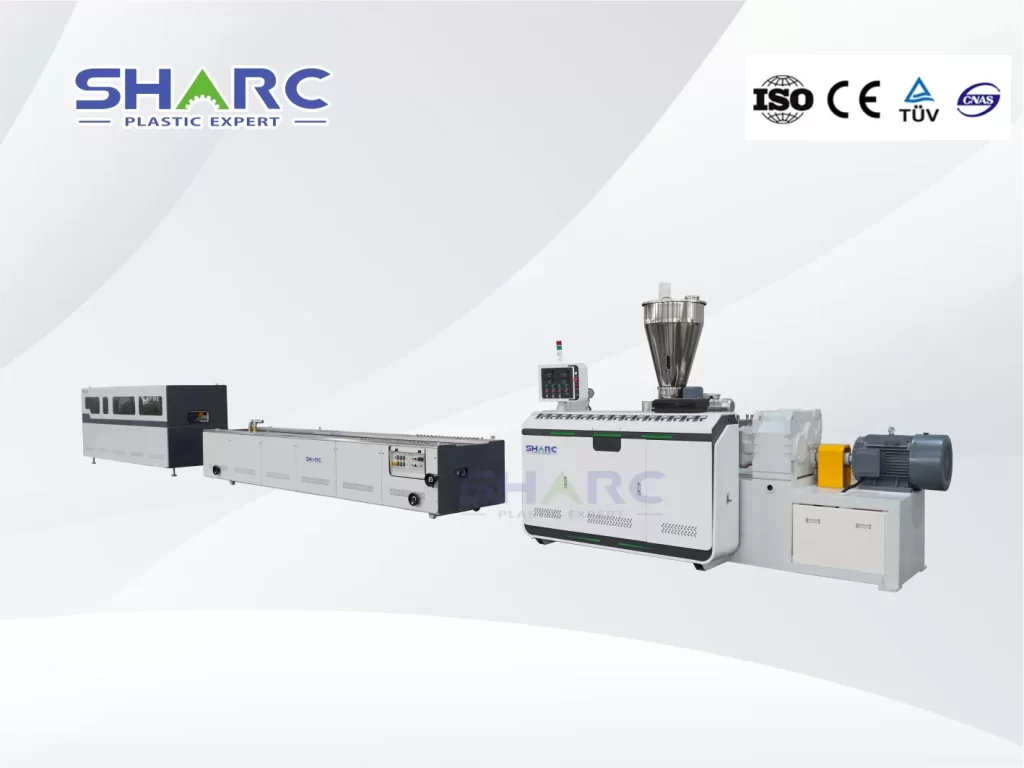
This WPC production line can be used for producing WPC decking profiles(solid and hollow), WPC wall cladding, WPC fencing, WPC bench, DIY decking tile, adirondack chair and etc.
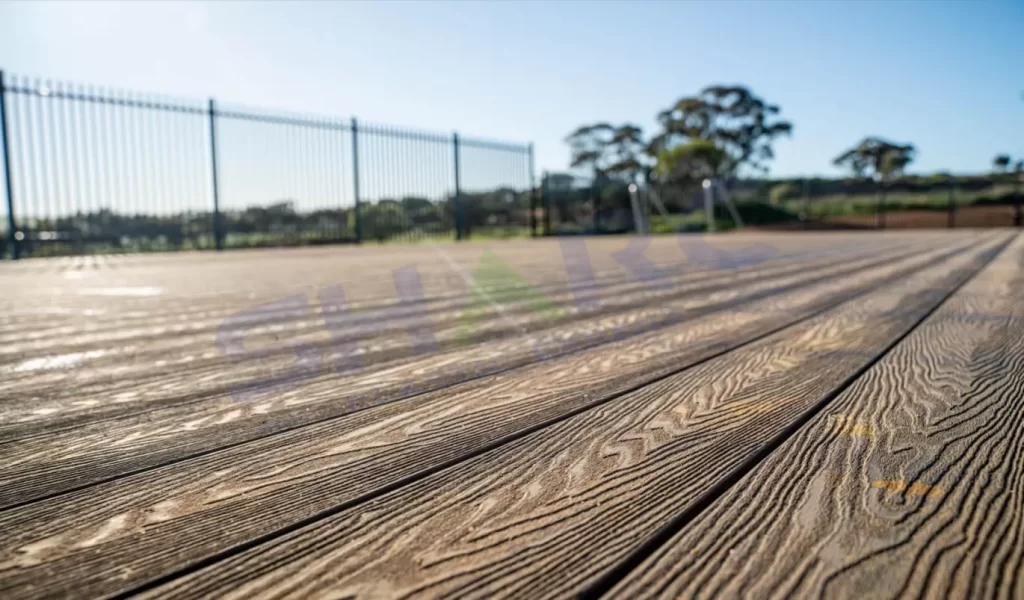
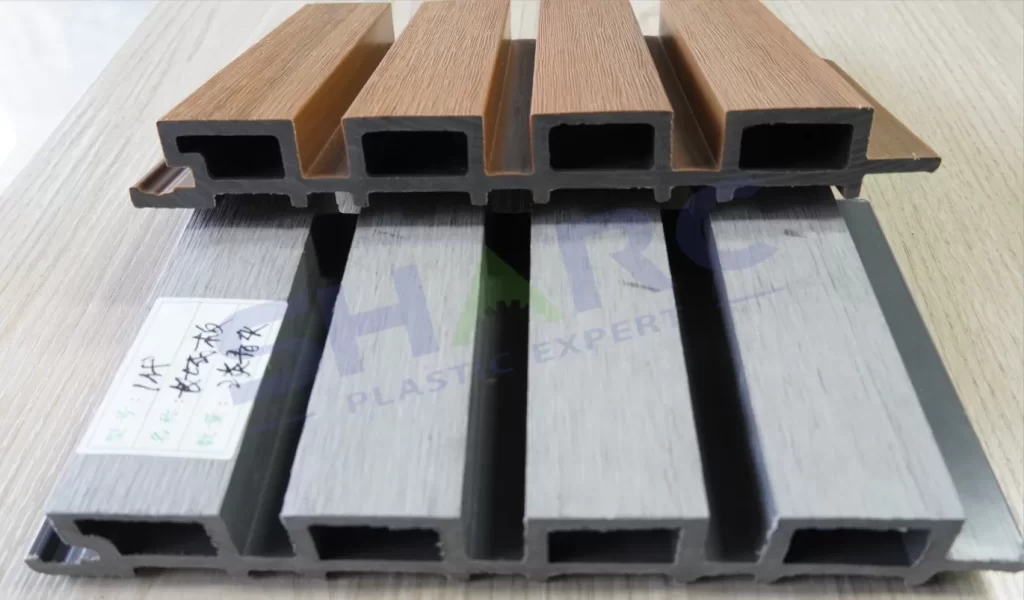
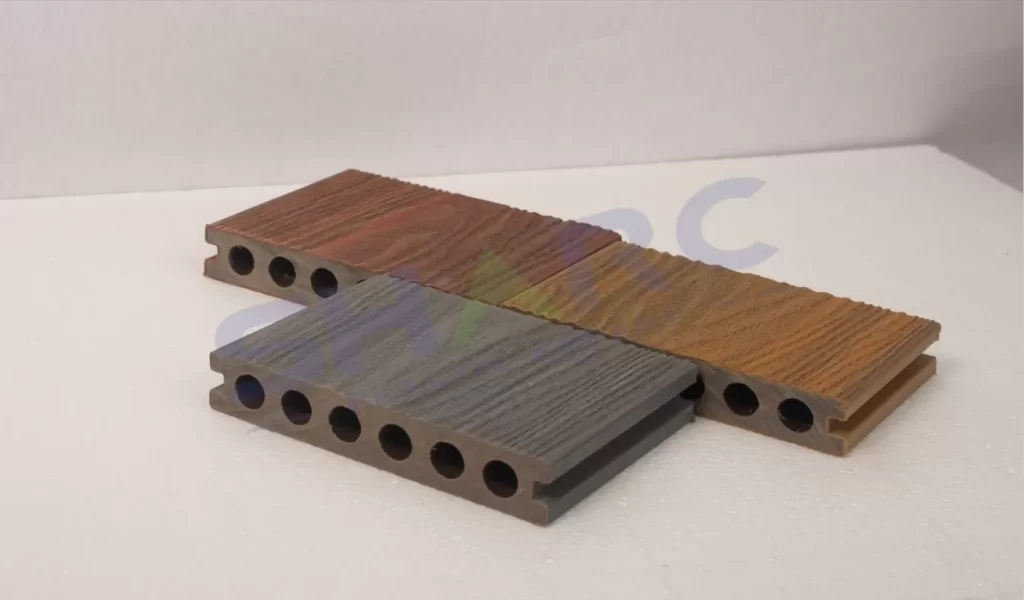
Thickness of WPC decking profiles: 15-30mm, for final production size from machine, it is according to clients’ requirement.
Required materials of production WPC decking profiles: PE granules(recycled or new)+wood power+additives
Top layer (optional): PE granules
For surface design: by embossing or molding.
Working process of WPC decking profiles production line:
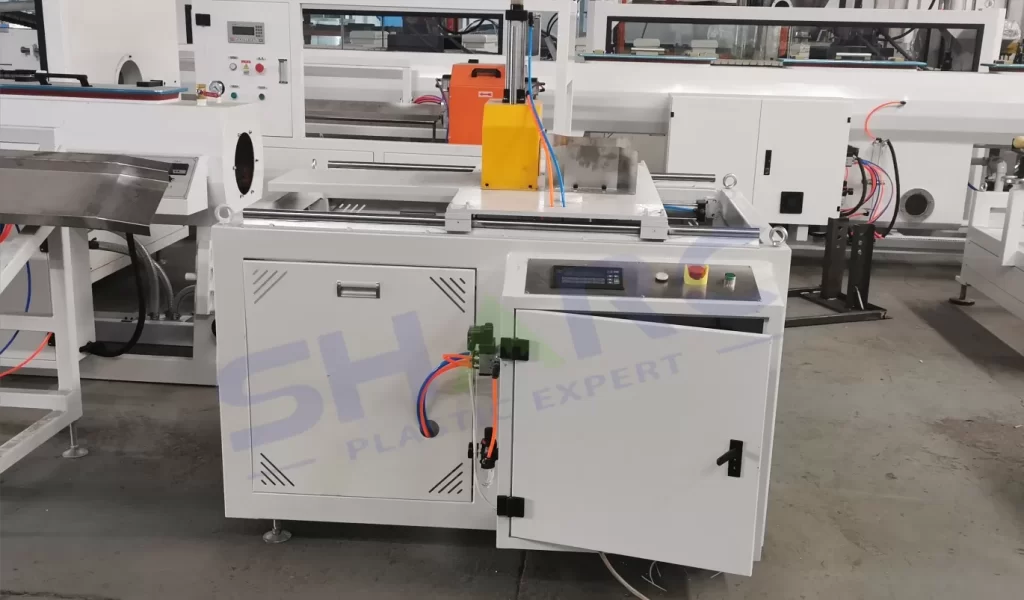
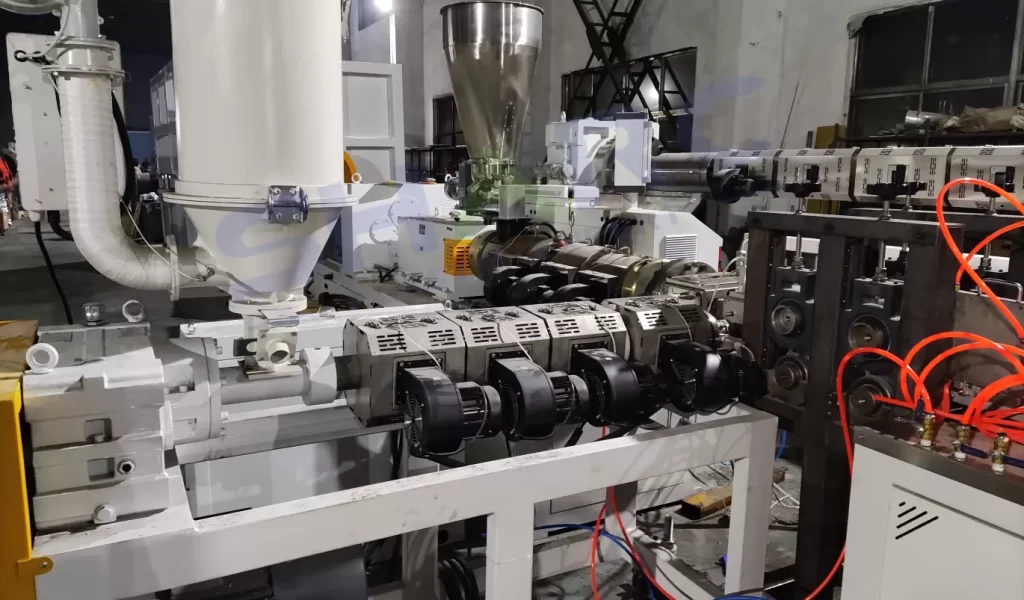
Material loader ➡ PVC mixer machine ➡ material loader ➡ Pelletizing lines to get materials into pellets➡feeder➡conical double screw extruder machine ➡ co-extrusion (optional) ➡ mold (extrusion die head) ➡texture embossing (optional) ➡ Cooling table ➡ haul off machine(optional) ➡cutting machine ➡ stacker ➡ WPC profiles ➡sanding&brushing(optional)➡final WPC profiles
Thickness of wall panel: 15-30mm, for final production size from machine, it is according to clients’ requirement.
Required materials of production WPC wall cladding: PE granules(recycled or new)+wood power+additives
Top layer (optional): PE granules
For surface design: by embossing or molding shaping.
Working process of WPC wall cladding production line:
- First we will need mix materials together by formulation ratio, this process will need mixer machine.
- Second we will need pelletizing machines to make materials into granules, this process move water of materials and make wood powder conbine with other materials well, it helps to get a better quality final products.
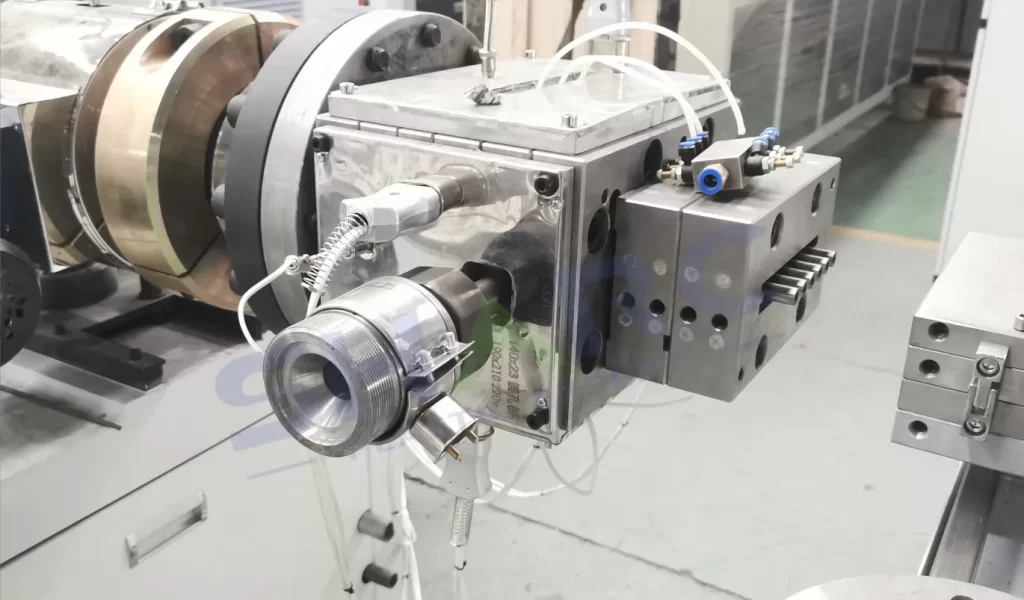
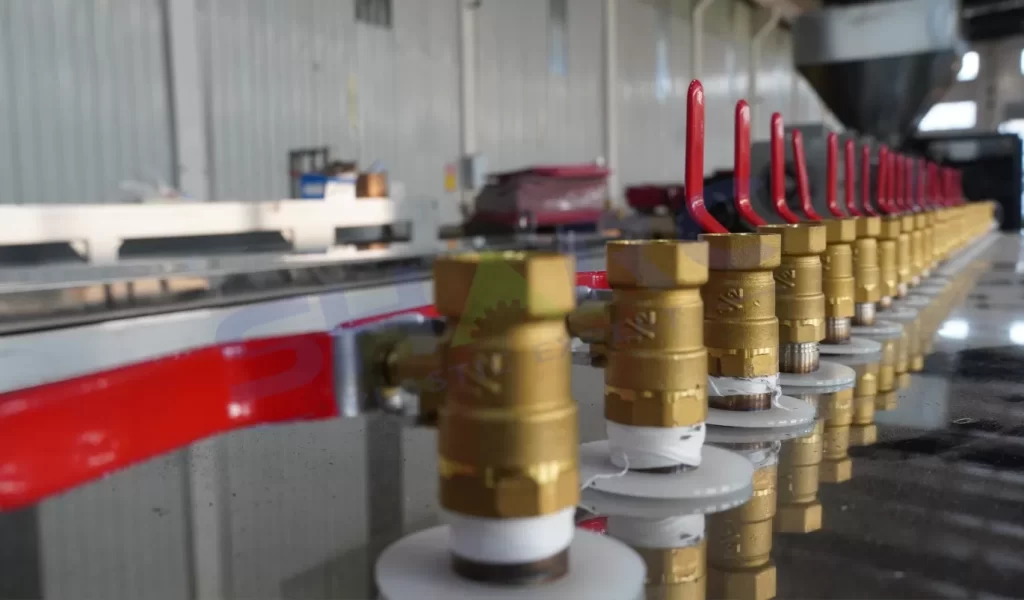
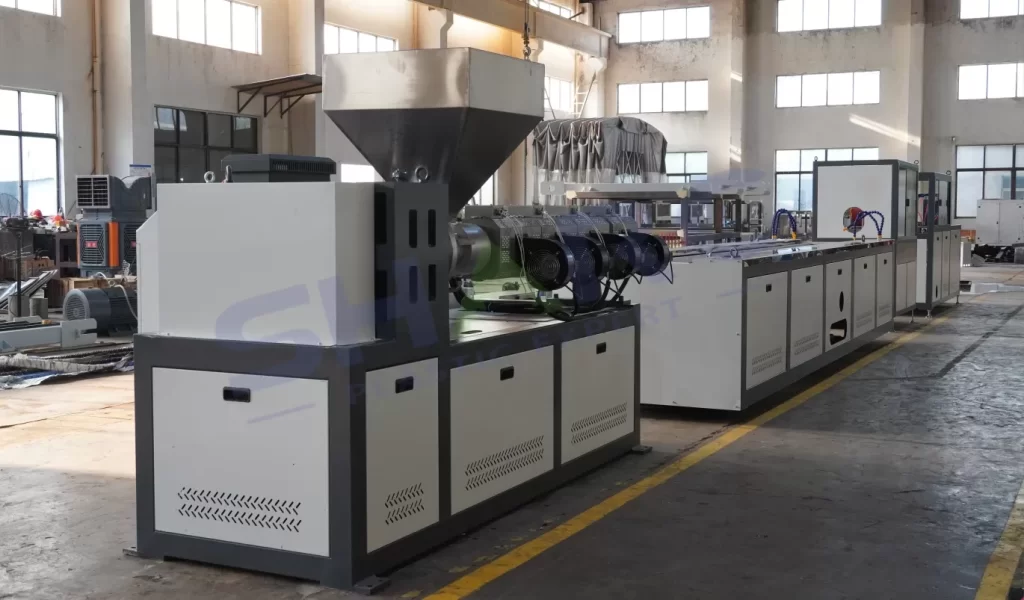
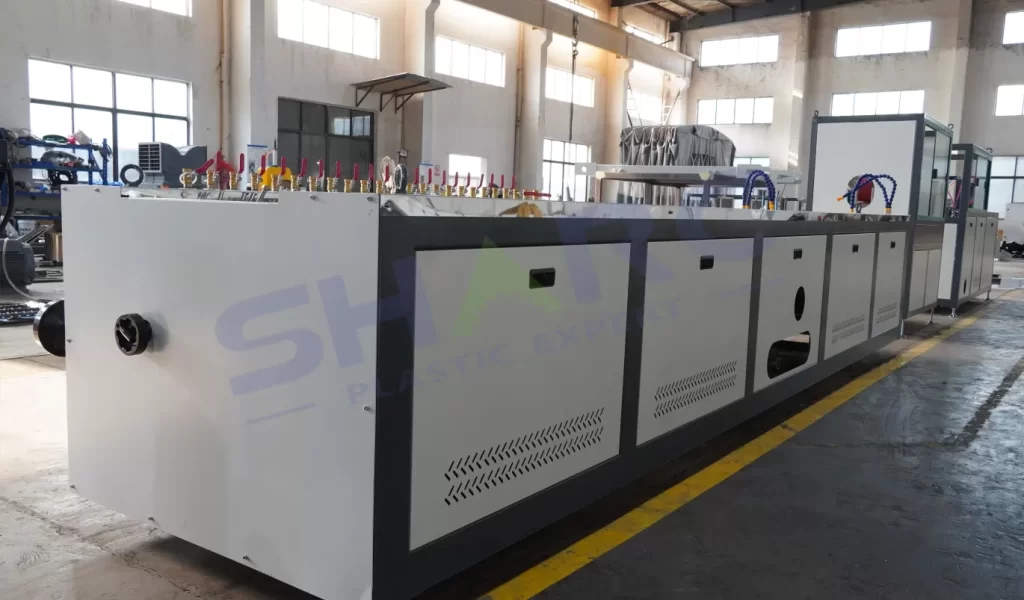
- After we get granules, we will feed them into extruder machine to process and get the wpc wall cladding, the granules will be melt in screw&barrel, after the die head, the rough shaped comes out, then through cooling mold and table, the final shape profile come out, we set up the cutting machine to get fixed length profiles.
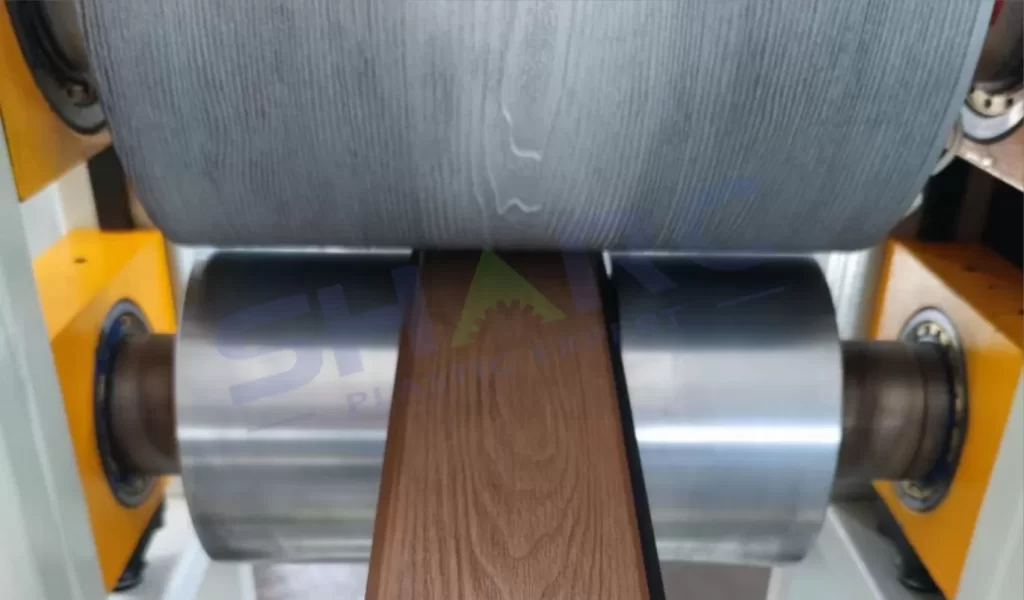
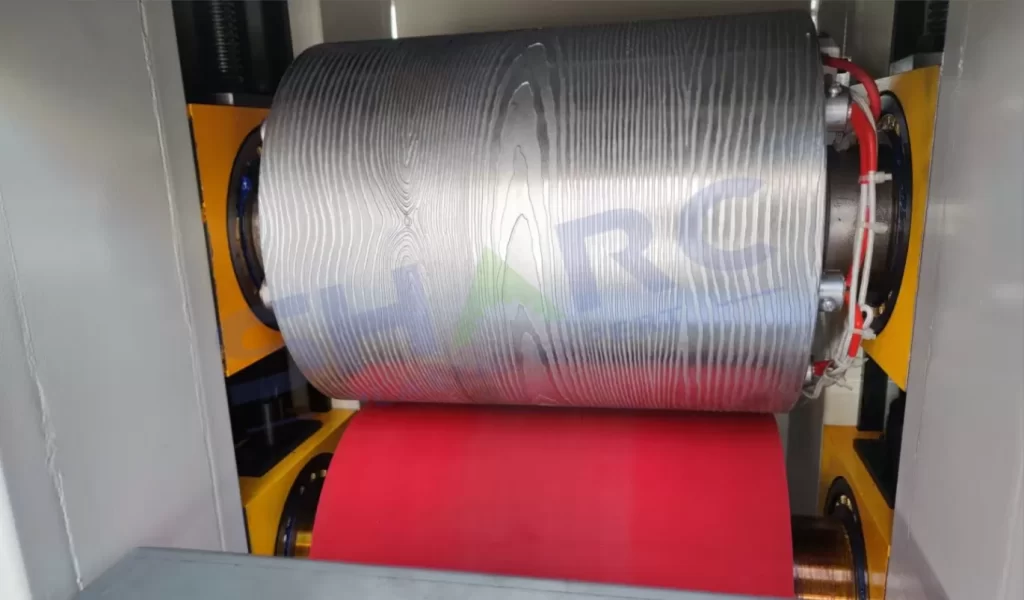
- The wall cladding design is reached by using embossing rollers pressing. We can get different texture by changing embossing rollers.
- Now we have first generation and second generation profiles, it has co-extrusion layer for second generation profiles, the products looks better and quality better.
WPC Extrusion Line Technical Parameters:
| Model | Product width (mm) | Output (kg/h) | Main motor (kW) |
|---|---|---|---|
| WPC Decking Profiles Extrusion Line | |||
| SC-65 | 100–300 | 150–180 | 37 |
| SC-80 | 100–300 | 250–320 | 55 |
| WPC Wall Cladding Extrusion Line | |||
| SC-65 | 100–300 | 150–180 | 37 |
| SC-80 | 100–300 | 250–320 | 55 |
Advantages of using WPC products compared with traditional wood
- WPC deck&wall cladding are resistant to moisture and humidity, solving the problem that traditional wood easily absorbs water, swells and rots in a humid environment.
- WPC deck&wall cladding offer a variety of color options, with both natural wood feel and texture, and customizable colors according to personal preferences.
- WPC materials are easy to achieve personalized shapes, fully reflecting individual styles, and offer a variety of color and texture options to suit different decorative styles.
- The WPC products does not contain benzene, has low formaldehyde content, can be recycled, saves wood usage, and meets the requirements of sustainable development
- The WPC products is effectively flame retardant, with a fire rating of B1, self-extinguishing when encountering fire, and does not produce any toxic gas
- The WPC product can be sawed, planed, drilled, bonded, etc., and the surface can be painted, with good secondary processing.
- The installation process of the WPC deck&wall cladding is simple, the construction is convenient, and no complicated construction process is required, saving installation time and cost.
- The WPC deck&wall cladding does not require maintenance and maintenance, is easy to clean, and saves later maintenance and maintenance costs
- The WPC deck&wall cladding has a certain sound absorption effect and helps to save energy indoors, with an energy saving effect of more than 30%.
- The WPC product has good weather resistance and corrosion resistance, and can resist the erosion of environmental factors such as ultraviolet rays, moisture, acid and alkali, so it has a long service life
- Unlike traditional wood, the WPC product does not require regular sanding, painting or anti-corrosion treatment, and is very simple to clean.
Reference materials of WPC decking & wall cladding production:
| NO | Materials names |
| 1 | Recycled PE |
| 2 | Calcium carbonate |
| 3 | Wood powder |
| 4 | Compatibilizer |
| 5 | lubricant |
| 6 | Pigment |
| 7 | Recycled PE for Co-extrusion layer (optional) |
WPC Wall Cladding Production Process
From raw material mixing to final surface embossing, the complete WPC wall cladding production line ensures stable output, good surface quality, and consistent profile dimensions.
Raw Material Mixing
First, the raw materials are mixed together according to the formulation ratio. This step requires a mixer machine to ensure all components are blended evenly before the next process.
Pelletizing
After mixing, the material goes into the pelletizing machine to be made into granules. This process helps remove moisture and allows the wood powder to combine well with the other materials, improving the quality of the final products.
Profile Extrusion
The finished granules are fed into the extruder machine. Inside the screw and barrel, the material is heated and melted, then pushed through the die head to form the rough wall cladding profile.
Cooling, Calibration & Cutting
After leaving the die head, the profile passes through the cooling mold and calibration table to achieve its final shape. Then the cutting machine cuts the profile into the required fixed lengths.
Embossing & Co-Extrusion Option
The wall cladding design is created by embossing rollers, and different textures can be achieved by changing the rollers. For second-generation profiles, a co-extrusion layer can be added to give the product a better appearance and improved quality.